The Ingredient List on Your Pad (And Why It’s Mostly Blank)
-
By
shecup

Menstrual products come in contact with the body for several hours each month, but many people very rarely consider what the products are composed of. While there are often lists of ingredients that are important in food and skincare products, many conventional sanitary pads provide only limited information about their content. This opacity has sparked questions for those seeking to make educated decisions around their menstrual health.
With increasing awareness, more individuals are considering alternatives that offer comfort and informed choices. Many of the users also start searching for the best menstrual cup in India since many times, re-usable menstrual products offer a different experience than the disposable ones.
Why are the ingredients of most pads not always clear?
Many disposable pads provide details about absorbency, fragrance, and leak protection, but may not explain what each component in the pad is made of. This leaves consumers questioning the materials they come into extended contact with sensitive skin.
The following are examples of the components that are commonly found in sanitary products:
- Absorbent cellulose materials
- The use of adhesives and synthetic fibres.
- Fragrance compounds
- Plastic layers used for leak prevention
- Dyeing, finishing materials
Many people have had to do more research on period products because of a lack of comprehensive labelling. This has led to soaring demand for the best menstrual cup for women in India who are looking for a more eco-friendly and transparent option to menstruation.
Learning about alternative menstrual care choices
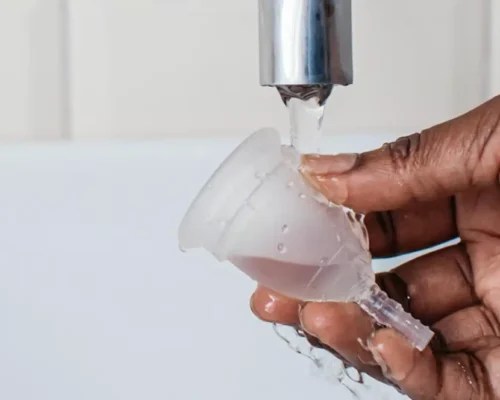
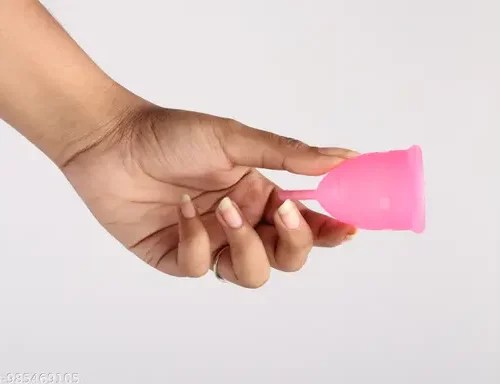
The popularity of reusable menstrual products is due to the fact that they are made to catch rather than absorb menstrual flow. When choosing the best menstrual cup in India for their needs, people looking for an alternative take these factors into account.
Adopting the use of a menstrual cup may be a little uncomfortable at first but mastering the proper techniques of use can make the transition easier. A popular worry for first time users is the process of safely and comfortably removing menstrual cup.
Some useful tips for newbies are:
- Relax the pelvic muscles prior to removal.
- Thoroughly wash hands before handling the cup.
- Gently squeeze the bottom to loosen the seal.
- Gently lift the cup out of the water rather than yanking it out.
- Empty, wash and re-insert as required.
There are many new users who are concerned with removing menstrual cup or similar products during their initial use. The process is, however, usually more comfortable and intuitive with practice. Learning about body positioning and relaxation can make this a much more pleasant experience.
Conclusion
With increased awareness and discussion of menstruation, there is a growing demand for transparency regarding menstrual products. For many people, questions regarding the disclosure of ingredients for disposable pads have led them to find out about other choices and to learn more about what they are choosing. While some individuals might favor using traditional products, others may choose reusable options, knowledge plays a crucial role in making informed decisions regarding menstrual care. Period management becomes more conscious and confident for people when they learn about the composition of the products and how to remove them properly.